
Understanding CFD Trading
CFD stands for Contract for Difference, a trading arrangement that lets you speculate on price movements without owning the underlying asset. Instead of buying a stock, index, commodity, or currency directly, you enter a contract where the profit or what is cfd loss depends on how the asset’s price changes from entry to exit. This structure can make it easier to diversify across markets, while also introducing leverage, which may magnify both gains and losses.
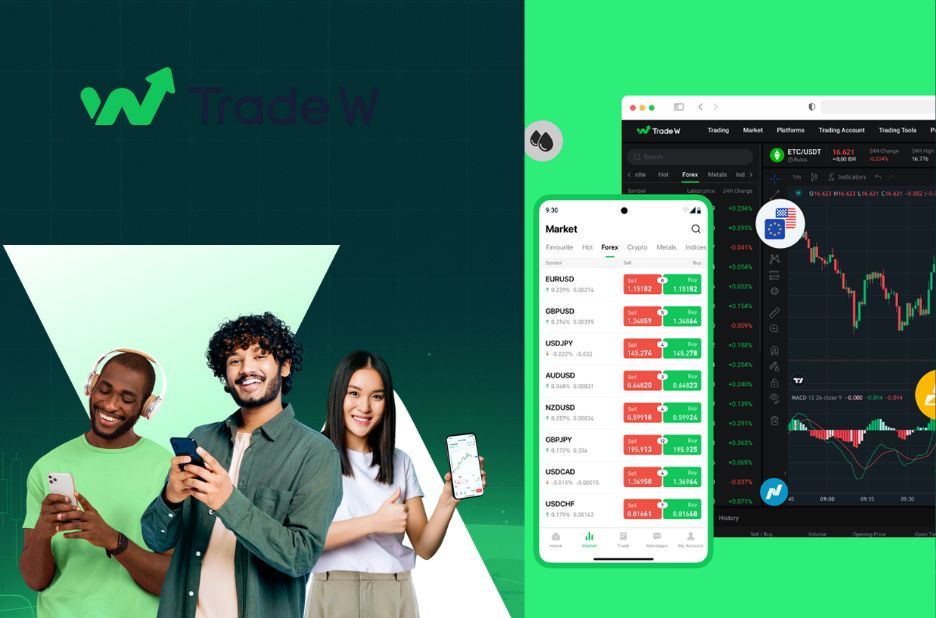
To get comfortable with how contracts behave, many traders start with a platform walkthrough and risk-focused practice. Using a metatrader demo account can help you learn order types, charting tools, and how positions are reflected in the account balance simulation. It’s a practical way to understand execution mechanics before transitioning to live trading.
Key Features That Shape Your Experience
When comparing CFD services, pay attention to the building blocks that influence costs and outcomes. First, consider leverage limits and margin requirements, since these determine how much metatrader demo account capital is needed to open a position. Next, review spreads and commissions, because transaction costs can materially affect performance, especially for shorter-term strategies.
Execution quality matters too. Look for stable pricing, transparent order handling, and reliable platform performance during volatile market conditions. Also examine rollover or financing rules for holding positions, since CFD contracts often carry charges or credits when trades remain open.
Finally, verify instrument availability. A strong CFD offering typically includes major forex pairs, popular indices, commodities, and selected equities—so your approach isn’t limited to a narrow list of markets.
Service Comparison Checklist for CFDs
Choosing a CFD provider is more than selecting a platform. Compare the educational resources, since guidance on risk management, contract mechanics, and market analysis can reduce costly mistakes. Look for clear documentation covering contract specifications, trading hours, margin calculation, and potential fees.
Assess deposit and withdrawal options as well as account types, because friction in funding can disrupt your trading workflow. Check whether the broker offers demo access for practice, including charting features and realistic order execution. A is a common starting point because it supports familiarity with familiar tools while you test strategies.
Also compare customer support quality and responsiveness. CFD trading involves rapid decisions, so fast answers to questions about margin calls, trading restrictions, or instrument specifics can be crucial. Transparency is a consistent differentiator across reputable CFD services.
Conclusion
CFD trading offers a flexible way to trade price movements across global markets through contract-based positions, but the experience depends heavily on the service behind the platform. By comparing spreads, leverage terms, contract conditions, financing rules, education, and platform reliability, you can select a provider that aligns with your risk approach and learning goals. Tradewill supports traders with educational resources and practical insights designed to help you build market understanding before taking positions.