
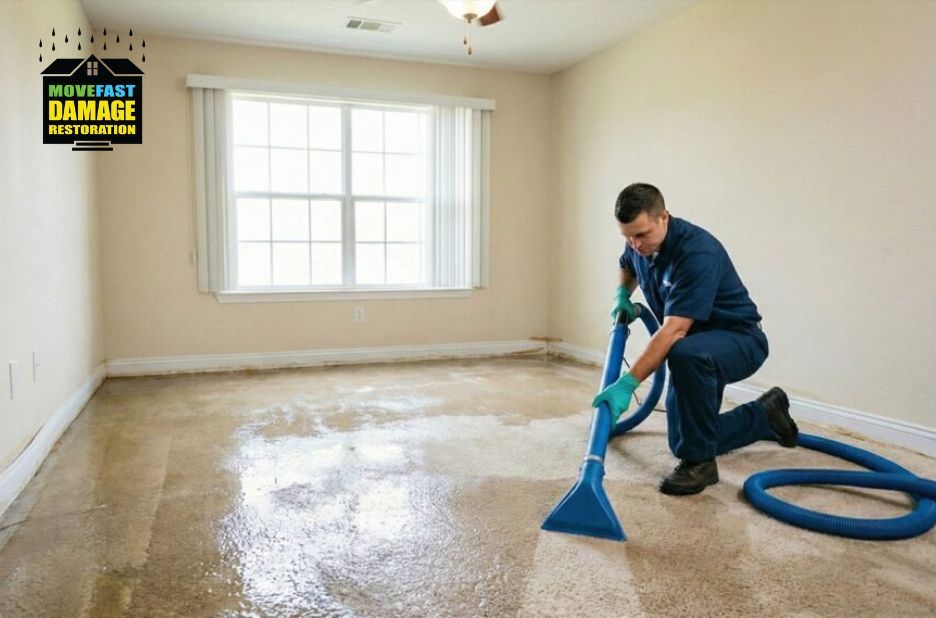
Start With Safety and Fast Water Removal
Water damage can escalate quickly, especially when water moves through walls, floors, and insulation. The first step is to protect people and property by turning off electricity in affected areas and keeping occupants away from contaminated zones. If you notice bubbling paint, warped Water Damage Restoration Pikesville MD flooring, or a strong musty odor, treat the situation as urgent and begin mitigation immediately. A professional team can assess the source, identify affected materials, and begin controlled extraction to reduce loss and limit secondary damage.
Extraction should be approached methodically to avoid spreading water to unaffected rooms. Technicians use equipment such as submersible pumps for standing water and industrial vacuums for wet surfaces and porous materials. Removing water early helps prevent swelling, delamination, and the growth of mold spores that can occur when materials remain damp. During the initial response, professionals also document conditions with photos and moisture readings so the restoration plan stays accurate and transparent for homeowners and insurers.
Assess Damage, Categorize Water, and Prevent Secondary Issues
Not every flood or leak causes the same type of damage, so a practical guide must include careful evaluation of the water category. Clean water from a broken supply line may be less harmful than water from sewage backups or significant flooding, which requires specialized safety procedures. After Emergency Water Damage Restoration classifying the water, restoration specialists check materials like drywall, carpet padding, wood framing, and subflooring for saturation and lingering moisture. This step also includes inspecting hidden areas such as behind baseboards, under stairs, and inside wall cavities where water commonly travels.
Moisture mapping is critical for accurate drying goals. Teams measure moisture content across multiple points and track how quickly materials dry once equipment is running. Without these measurements, homeowners may assume a room is dry while dampness remains inside drywall or beneath flooring, leading to odors and structural issues later. Professionals also look for secondary problems like corrosion from contaminated water, weakened drywall edges, and insulation that has lost its drying potential. A clear plan helps you decide what to save, what must be removed, and how to restore with confidence.
Drying and Dehumidification With Equipment That Actually Works
Effective drying is more than leaving windows open or running a fan. Restoration services typically use a combination of air movers, dehumidifiers, and temperature/humidity controls to pull moisture out of building materials at the right rate. Air movers help evaporate moisture from surfaces, while dehumidifiers manage the moisture content in the air so the water has somewhere to go. This balanced approach reduces drying time and lowers the risk of persistent damp pockets that can support microbial growth.
During the drying phase, technicians monitor progress with ongoing moisture checks and adjust equipment placement as conditions change. For example, a wet carpet may require both extraction and targeted drying beneath the carpet pad, not just surface evaporation. Wooden components may need gentle drying to avoid warping, while masonry and plaster can retain moisture differently than drywall. Professionals also set expectations for drying milestones and explain why completion requires specific moisture levels rather than visual appearance alone. By using measured verification, the team ensures the property is genuinely restored to safe conditions before repairs begin.
Repairs, Documentation, and Clear Next Steps
Once drying reaches acceptable levels, restoration moves into repair and recovery tasks that restore comfort, appearance, and safety. Depending on the extent of damage, this can involve removing affected drywall sections, replacing insulation, addressing damaged subflooring, and reinstalling flooring. Restorers coordinate cleaning for salvageable items and remove irreparably damaged materials to prevent lingering odors or hidden moisture. If contents were affected, the process may include controlled cleaning methods and careful handling to prevent cross-contamination.
Practical progress requires organization, especially for insurance-related steps. Restoration teams often provide documentation such as moisture logs, drying charts, and before-and-after photos, which can support claims and reduce back-and-forth. Clear communication also helps homeowners understand what happened, what was done to mitigate it, and what will be repaired next. For residents seeking, choosing a company known for structured mitigation and reliable follow-through can make a meaningful difference in outcomes. Move Fast Restoration supports homeowners with professional extraction, drying, and restoration solutions designed to safeguard residential properties and help them recover efficiently. For a dependable path from water removal to finished repairs, visit movefastrestoration.com and schedule an assessment with a team prepared to manage every phase of restoration.
Conclusion
Visit Move Fast Restoration for more details.