
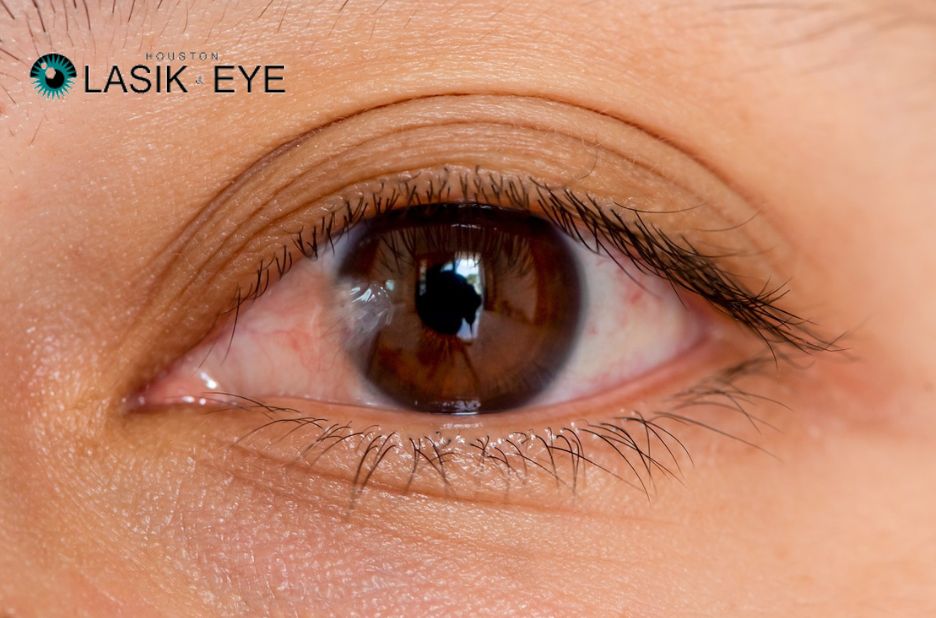
Understanding Pterygium
Pterygium is a common eye condition characterized by a benign growth of the conjunctiva that extends onto the cornea. This growth is usually triangular in shape and is often referred to as “surfer’s eye” due to How to cure pterygium its higher prevalence among individuals exposed to UV light, wind, and dust. While pterygium is typically non-cancerous, it can cause discomfort, redness, and in some cases, impair vision if left untreated.
Causes and Risk Factors
The primary cause of pterygium is prolonged exposure to ultraviolet (UV) radiation from the sun. Other contributing factors include chronic eye irritation from dust, wind, smoke, and dry environments. People living Remove pterygium in sunny climates or spending significant time outdoors without eye protection are at higher risk. Additionally, genetic predisposition might play a role in the development of pterygium.
Symptoms to Watch For
Pterygium often starts as a small, raised, and red area on the white of the eye. Common symptoms include redness, a feeling of dryness or irritation, and a sensation of having a foreign object in the eye. In advanced cases, the growth can extend over the cornea, causing visual disturbances such as blurred vision or astigmatism. Early detection is crucial to prevent complications.
Non-Surgical Management Options
For mild cases, managing symptoms involves protecting the eyes from further irritation. Wearing sunglasses that block UV rays, using lubricating eye drops, and avoiding exposure to dust and wind can help reduce discomfort. Anti-inflammatory medications may be prescribed to alleviate redness and swelling. While these measures do not remove pterygium, they can slow its progression and improve quality of life.
Surgical Treatment Approaches
When pterygium grows large enough to threaten vision or causes significant discomfort, surgical removal may be necessary. The procedure involves excising the growth and often includes grafting tissue from the conjunctiva to prevent recurrence. Advances in surgical techniques have improved outcomes, but surgery is typically reserved for cases where conservative treatments are ineffective or when the pterygium interferes with visual function.
Preventive Measures to Reduce Risk
Prevention plays a key role in managing pterygium risk. Wearing UV-protective sunglasses and wide-brimmed hats when outdoors can significantly reduce exposure to harmful rays. Avoiding environments with excessive dust and wind or using protective eyewear in such conditions also helps. Regular eye exams can detect early signs, allowing timely intervention before the condition progresses.
When to Seek Professional Help
If you notice persistent redness, irritation, or a visible growth on your eye, it is important to consult an eye care professional promptly. Early diagnosis allows for more effective management, reducing the likelihood of vision impairment. Additionally, professional evaluation can rule out other serious eye conditions and provide tailored advice on treatment options.
Conclusion
Knowing how to cure pterygium involves understanding the condition, its causes, and available treatment options. While mild cases can be managed with protective measures and medications, surgery may be necessary for more advanced growths. To remove pterygium safely and effectively, professional consultation is essential. Avoid letting pterygium impair your vision! Visit Pterygiumhouston.com for the assistance you require to learn how to treat pterygium and safeguard your vision. For expert care and advanced treatment options, consider reaching out to ouston Lasik & Eye.