
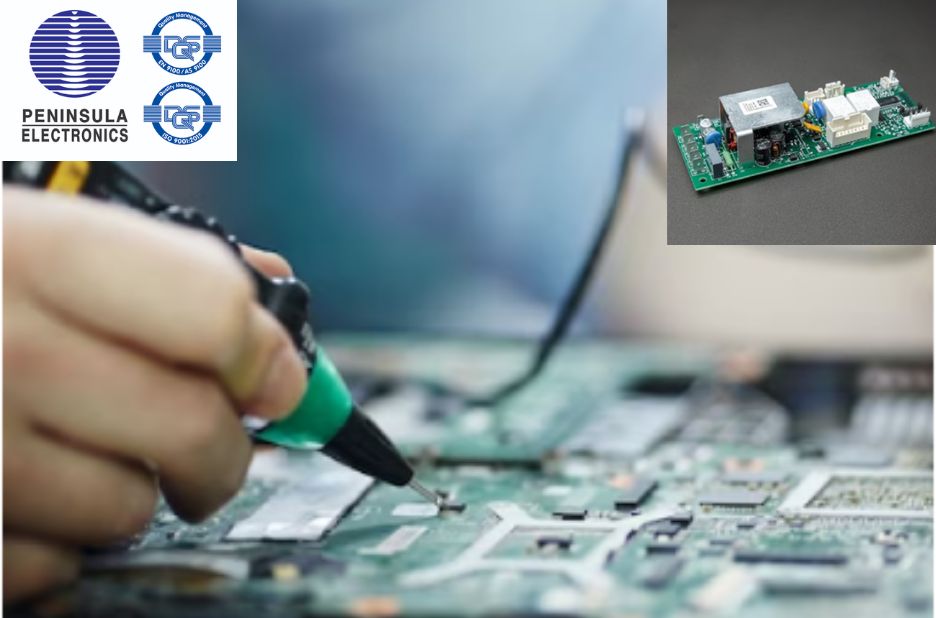
Understanding the Basics of SMT PCB Assembly
Surface Mount Technology (SMT) PCB assembly is a critical process in modern electronics manufacturing. It involves mounting electronic components directly onto the surface of printed circuit boards (PCBs). This method contrasts with traditional through-hole technology, where components are inserted into holes drilled through the board. SMT PCB assembly SMT has become the preferred assembly technique due to its efficiency, cost-effectiveness, and ability to support miniaturized designs. The assembly process typically includes solder paste application, component placement, reflow soldering, and inspection to ensure precise and reliable connections.
Benefits of Using SMT in Electronic Manufacturing
SMT PCB assembly offers numerous advantages that make it ideal for high-volume production and complex electronics designs. One of the primary benefits is the ability to place components on both sides of the PCB, maximizing space utilization. This leads to smaller, lighter, and more compact devices. Additionally, SMT conformal coating pcb components generally support higher circuit densities, which is essential for advanced electronic devices. The automated nature of SMT assembly also improves production speed and consistency, reducing human error and lowering production costs. Overall, SMT contributes to enhanced device performance and longevity.
Quality Assurance and Testing in SMT PCB Assembly
Ensuring the reliability of SMT PCB assemblies requires rigorous quality control and testing protocols. After the assembly process, boards undergo comprehensive inspections such as Automated Optical Inspection (AOI), X-ray inspection, and functional testing. These steps detect any defects like soldering issues, misaligned components, or electrical faults. High-quality SMT PCB assembly services also perform environmental stress testing to simulate real-world operating conditions. This ensures that the assembled PCBs can withstand thermal cycles, vibration, and humidity, ultimately guaranteeing consistent performance in their end-use applications.
The Role of Protective Measures in PCB Longevity
To enhance durability and protect assembled PCBs from environmental damage, additional protective coatings are often applied. One widely used method is conformal coating pcb, which involves applying a thin, protective layer over the entire board. This coating shields the PCB from moisture, dust, chemicals, and temperature extremes, preventing corrosion and electrical shorts. Conformal coatings come in various materials such as acrylic, silicone, and polyurethane, each offering different levels of protection based on the application requirements. Incorporating conformal coating helps extend the lifespan of electronic assemblies and maintains their reliability over time.
Conclusion
SMT PCB assembly represents a cornerstone of modern electronics manufacturing, combining precision, efficiency, and advanced technology to produce high-quality circuit boards. Enhancing these assemblies with protective solutions like conformal coating pcb further ensures their durability and performance in demanding environments. Peninsula Electronics specializes in providing professional SMT PCB assembly services, delivering fully tested, reliable, and industry-standard circuit boards tailored to diverse applications. Trusting experts like Peninsula Electronics guarantees electronics that meet stringent quality requirements and perform reliably throughout their lifecycle.